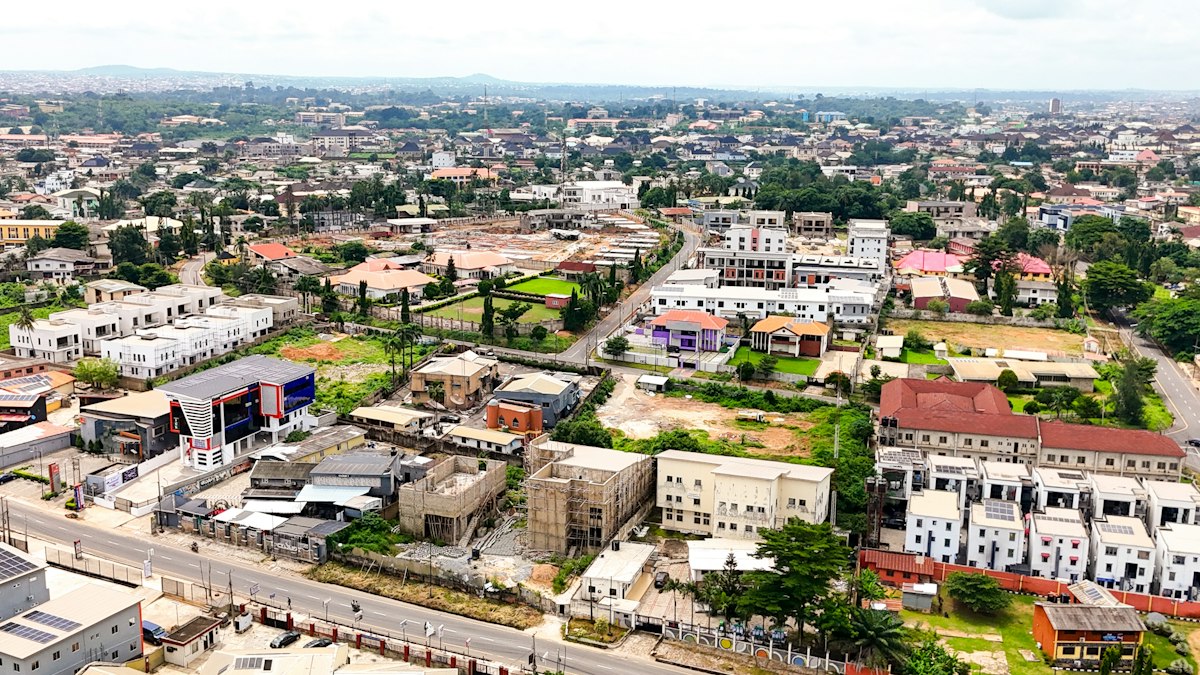
Ibadan Real Estate Mid-Year Review 2026: Where Land Prices Are Headed and What Smart Buyers Should Do Next
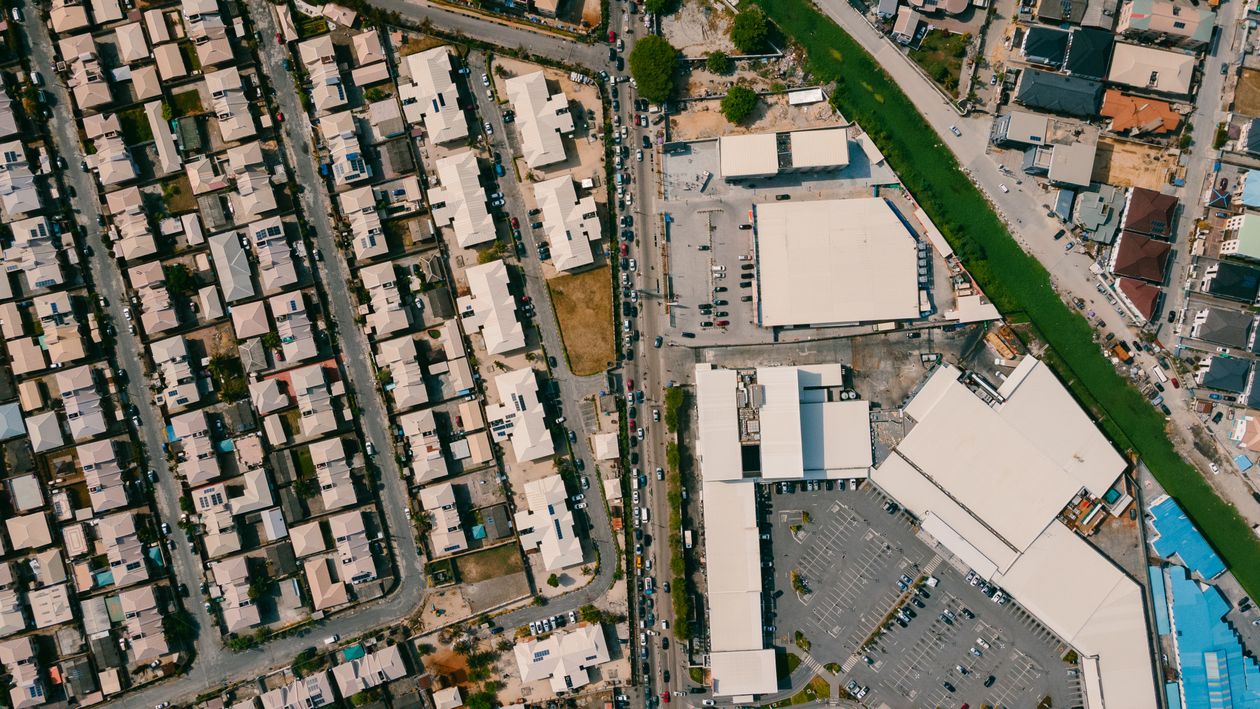
What Happened in Ibadan's Land Market During H1 2026
The first half of 2026 has been a defining period for Ibadan's real estate market. Land prices in prime areas grew between 12% and 18% year-over-year, according to data from Nigeria Property Centre, outpacing inflation and most traditional savings instruments.
What is driving this? Three forces converged in the first six months: a record state budget that prioritised infrastructure, a growing population that adds tens of thousands of new residents each year, and a wider national shift that now sees real estate contributing 10.7% to Nigeria's GDP, according to the National Bureau of Statistics.
For buyers and investors watching the Ibadan market, the question is no longer whether to buy. It is where, when, and at what price.
Ibadan's Population Is Growing Faster Than Its Housing Supply
Ibadan's metropolitan population reached an estimated 4.14 million in 2025, a 3.5% increase from the previous year, according to Macrotrends population data. That rate of growth translates to roughly 140,000 additional residents each year competing for housing, land, and commercial space.
Nationally, Nigeria faces a housing deficit estimated between 17 and 22 million units. This supply-demand gap is the fundamental driver behind rising land values. Every new resident needs somewhere to live, and new construction cannot keep pace with the pace of urban migration.
For Ibadan specifically, the city's role as Nigeria's third-largest metro area and the commercial capital of Oyo State means demand pressure will only intensify. Unlike Lagos, where land prices have priced out many first-time buyers, Ibadan's entry costs remain 60% to 80% lower for comparable plots, according to NaijaEstate's 2026 Market Outlook.
This affordability gap is closing. As infrastructure improves and more Lagos-based buyers discover the value in Ibadan, the window for below-market entry is narrowing by the quarter.
The ₦1.1 Trillion Budget That Is Reshaping Ibadan's Geography
In November 2025, Governor Seyi Makinde signed the Oyo State ₦892 billion "Budget of Economic Expansion" into law. By early 2026, the Oyo State Executive Council raised that figure to ₦1.10 trillion, with infrastructure taking the largest single allocation at ₦210 billion, as reported by Tribune Online.
Three infrastructure projects stand out for their direct impact on land values:
The Rashidi Ladoja Circular Road (110 km)
This 110-kilometre ring road is designed to link all major entry and exit points of Ibadan across four wings: South-East (32.2 km), North-East (20.8 km), North-West (33 km), and South-West (24 km). The Oyo State Government approved ₦235 billion for the second lot covering 39 kilometres in 2026, according to Punch Nigeria.
The East Wing (32.2 km) is nearing completion, and the remaining sections are expected to be finished within 18 months. For land buyers, the circular road is creating entirely new growth corridors in areas like Akinyele, Egbeda, and the broader Moniya-Iseyin axis. Historically, land along newly completed ring roads in Nigerian cities has appreciated 30% to 50% within two years of completion.
Ibadan Airport Expansion
Phase 1 of the Ibadan International Airport upgrade was completed in 2025, enabling the airport to receive wide-bodied aircraft for the first time. An airport that can handle larger planes attracts business travel, cargo logistics, and the kind of commercial activity that pushes surrounding land prices upward. This is the same playbook that transformed areas around Lagos and Abuja airports into premium real estate zones.
Integrated Bus Transit Terminals
The Ibadan Central Bus Terminals at Iwo Road and New Ife Road were commissioned in 2025, forming an integrated state-backed mass transit system alongside two earlier terminals. Improved public transport raises the livability score of surrounding neighbourhoods, making previously "too far" locations accessible and attractive for residential development.
Where Prices Are Moving: An Area-by-Area Snapshot
Based on current listing data from Nigeria Property Centre and PropertyPro.ng, here is where land prices stand at mid-year 2026:
Premium Zones (₦10M to ₦30M+ per plot)
Bodija, Jericho, Ring Road, and Old Bodija remain the established premium zones. Prices here have climbed steadily, but entry costs now place them beyond reach for most first-time buyers. These areas are best suited for investors seeking rental income from built properties rather than land appreciation.
Growth Corridors (₦2M to ₦8M per plot)
Oluyole Extension, Moniya-Iseyin Road, Ido, and areas along the circular road alignment are where the strongest percentage gains are happening. These zones benefit directly from active infrastructure projects and sit at the sweet spot between affordability and growth potential.
Early-Stage Opportunity Zones (₦500K to ₦3M per plot)
Ayelaagbe (along the Moniya-Iseyin axis), parts of Ido, and select locations in Akinyele Local Government Area offer the lowest entry point with the highest potential for appreciation. As the circular road connects these areas to the Ibadan core, the current pricing reflects their pre-infrastructure value rather than their post-completion potential.
The average asking price for land in Ibadan estates sits at approximately ₦30 million, according to Nigeria Property Centre. However, that figure is heavily skewed by premium locations. In emerging areas along the Moniya-Iseyin corridor or in Ido, well-documented plots from reputable developers can start below ₦3 million.
What the National Numbers Tell Us About Ibadan's Trajectory
Nigeria's real estate sector now contributes 10.7% to GDP following the NBS rebasing exercise, up from 6.2% under the previous methodology, according to the Nigeria Housing Market 2026 GDP Report. The national market is valued at approximately US$2.42 trillion in 2026, with residential real estate holding the largest share at US$2.05 trillion, according to Statista.
Foreign direct investment in Nigerian real estate reached $1.8 billion in 2025, the highest annual inflow in five years, according to preliminary NBS and CBN data cited by Nigeria Real Estate Blog. While most FDI targets Lagos and Abuja, the ripple effect benefits secondary cities like Ibadan where developers are expanding operations to capture demand from buyers priced out of Tier 1 markets.
Property price forecasts for well-located plots in growth corridors suggest 10% to 15% appreciation in naira terms over the next 12 months, according to The Africanvestor. For land specifically, appreciation rates tend to outpace built property because the supply of undeveloped plots in desirable locations is finite and shrinking with each new development.
Three Smart Moves for Buyers in H2 2026
1. Follow the Infrastructure, Not the Hype
The single biggest predictor of land price appreciation in Ibadan is proximity to active infrastructure. The circular road, the airport expansion, and the bus transit terminals are not proposals on paper. They are funded, under construction, and in some cases already operational. Buying along these corridors before completion is where the largest gains historically occur in Nigerian real estate.
2. Prioritize Documented Land With Verified Titles
Trust remains the biggest challenge in Nigerian land transactions. Before committing funds to any plot, verify the title documents (Certificate of Occupancy, Governor's Consent, or Registered Survey), confirm there are no Omo Onile disputes or government acquisition overlaps, and work with developers who can provide clear documentation. This due diligence is non-negotiable regardless of how attractive the price appears.
3. Consider Estates Over Open Market Plots
Estate developments from established companies offer several advantages: verified titles, planned infrastructure including road networks, drainage, and perimeter fencing, plus flexible payment plans that let you spread costs over 6 to 12 months. In Ibadan, estates like Ariya Springs (from ₦2.5M) and The Pearl Residence in Ido (from ₦2.31M) offer verified plots in high-growth corridors with clear documentation, title guarantees, and structured payment options that make entry accessible even for salaried professionals.
The Bottom Line
Ibadan's real estate market has moved past the "hidden gem" phase. With a ₦1.1 trillion state budget focused on infrastructure, a population adding an estimated 140,000 residents annually, and land prices still a fraction of what comparable plots cost in Lagos, the investment case is backed by verifiable data rather than speculation.
The question for buyers is not whether Ibadan will continue to appreciate. The data points strongly suggest it will. The question is whether you enter the market at today's prices or wait and pay more later.
If you are ready to explore verified land in Ibadan's fastest-growing corridors, contact Land Republic at +234 812 222 2283 or browse available properties here. Our team can walk you through available plots, payment plans, and title verification for properties across Oyo and Ogun states.