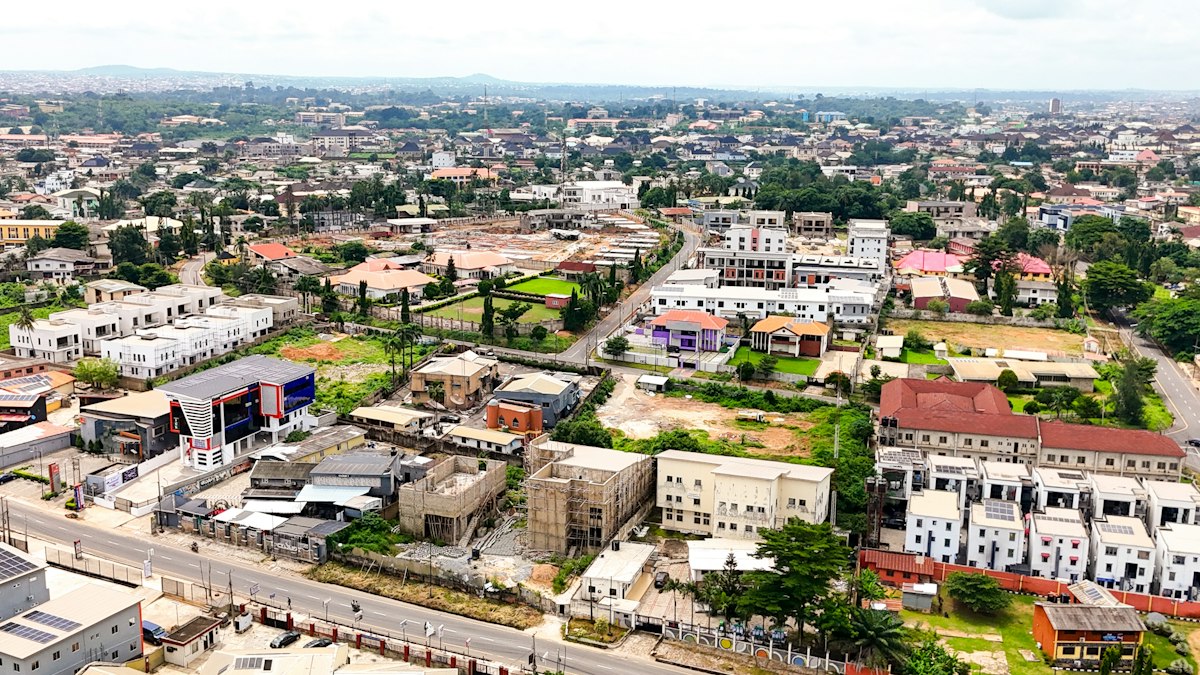
Ido, Ibadan: The Data Case for Investing Before the Curve
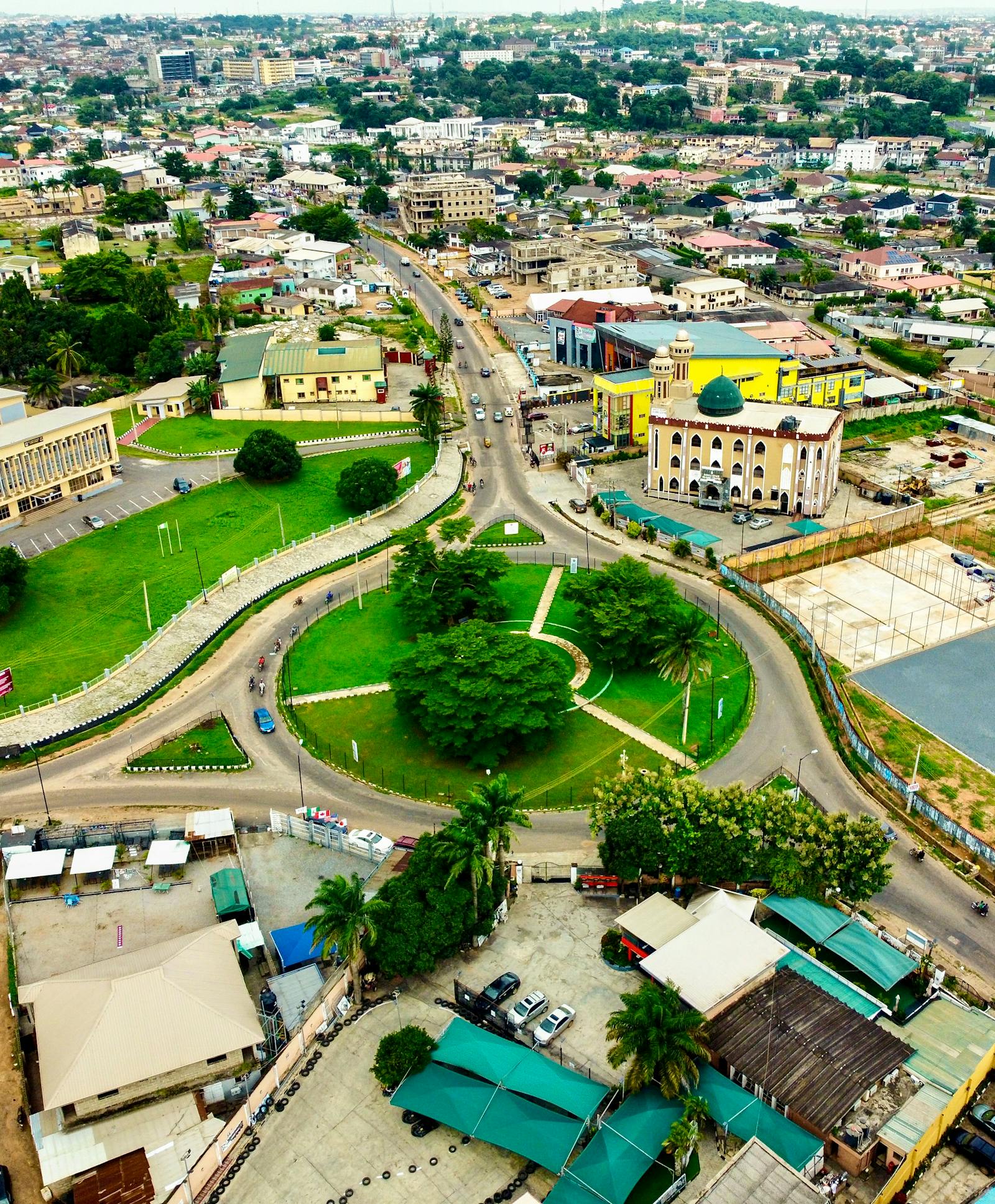
Ibadan Is No Longer the Quiet Alternative
For decades, Ibadan was the city people moved from, not to. That narrative is dead. With a metro population of 4.3 million growing at 3.6% annually, a $1.5 billion standard gauge railway now operational, and Governor Makinde's administration actively courting real estate investment, Ibadan is repositioning itself as southwestern Nigeria's next serious growth corridor.
Ido sits at the southwestern edge of the Ibadan metropolis, directly in the path of this expansion. It is where the city breathes outward.
Why Ido, Specifically
Ido is not a random pin on the map. It is a Local Government Area with direct access to multiple infrastructure assets that most emerging Nigerian property corridors would kill for. The Omi Adio Train Station on the Lagos to Ibadan standard gauge railway is located within Ido, connecting residents directly to Lagos in under two hours. The Ido Local Government Secretariat anchors civic activity. The University of Ibadan and Ibadan Polytechnic are both accessible within a short drive, creating consistent demand from students, faculty, and support staff.
The Lagos to Ibadan railway carried nearly 700,000 passengers and hauled 380,000 tons of cargo in just the first eight months of 2025 alone. That is real economic activity flowing through this corridor daily, and Ido is one of its stops.
The Price Window Is Still Open
Land in Ido currently trades at some of the most competitive rates in the greater Ibadan area. Plots of 500 sqm in structured estates start from as low as ₦1 million to ₦3.5 million, depending on proximity to the expressway and title quality. Completed 2 bedroom bungalows in the area go for around ₦18 million to ₦26.5 million, while 3 bedroom units sit around ₦35 million.
For context, similar plots in Moniya (the area around the main Ibadan train terminus) have already doubled from ₦1.2 million to ₦3 to 4 million in under three years. Ido is earlier on the same appreciation curve, and with its own train station as a catalyst, the trajectory is clear.
Infrastructure That Already Exists
This is the critical differentiator. Ido is not waiting for infrastructure to arrive. It already has:
- Omi Adio Train Station on the Lagos to Ibadan standard gauge line
- Proximity to the Lagos to Ibadan Expressway via multiple access routes
- University of Ibadan and Ibadan Polytechnic within the commuter radius
- Ido Local Government Secretariat providing administrative anchoring
- Active estate development with estates offering registered surveys and C of O titles
The $1.5 billion Lagos to Ibadan railway project, built by China Civil Engineering Construction Corporation and inaugurated in June 2021, has already transported over 2 million passengers as of March 2024. The corridor is generating an estimated ₦12 billion in direct revenue in 2025, with economists estimating an additional $13 to $19 million in wider economic value through multiplier effects on agriculture, manufacturing, and services along the route.
Ibadan by the Numbers
- Metro Population (2026): 4.29 million, growing 3.6% annually
- Oyo State Population: ~8.4 million
- City Land Area: 3,080 sq km (largest city by area in Nigeria)
- Railway Passengers (Jan to Aug 2025): ~700,000
- Railway Cargo (Jan to Aug 2025): 380,000 tons
- Railway Project Cost: $1.5 billion
- Land Prices in Ido (500 sqm): ₦1M to ₦3.5M
- Land Prices in Moniya (500 sqm): ₦3M to ₦4M (doubled in 3 years)
The Ilu Ayo Opportunity
Land Republic is opening Ilu Ayo in Ido, Ibadan. The name means "town of joy" in Yoruba, and the development is designed to blend the cultural heritage of Ido, a settlement dating back to the 15th century Yoruba Warlords, with modern residential comfort.
The investment case is simple. You are entering a market where a functional train station already connects you to Lagos, where land prices are still at ground floor levels compared to nearby areas that have already appreciated 100% or more, and where a state government is actively incentivizing real estate development. Ibadan is no longer playing catch up. It is positioning itself as the next major property growth corridor in southwestern Nigeria, and Ido is the entry point.
Sources
- MacroTrends / UN World Urbanization Prospects, Ibadan metro population data (2024 to 2026)
- The Nation, Lagos to Ibadan railway commerce impact report (October 2025)
- Nigerian Investment Promotion Commission, Oyo State profile
- Nairametrics, Aremo Olusegun Osoba Station operations (November 2024)
- NaijaEstate, Ibadan Property Market Outlook 2026
- Nigeria Property Centre, Ibadan and Ido land pricing data (2026)
- Wikipedia, Ibadan city data and demographics
- Africanews, Lagos to Ibadan railway launch coverage