Ido, Ibadan: The Data Behind Oyo State's Next Real Estate Breakout Zone
Ibadan Is Nigeria's Largest City by Land Area. Ido Is Where It Expands Next.
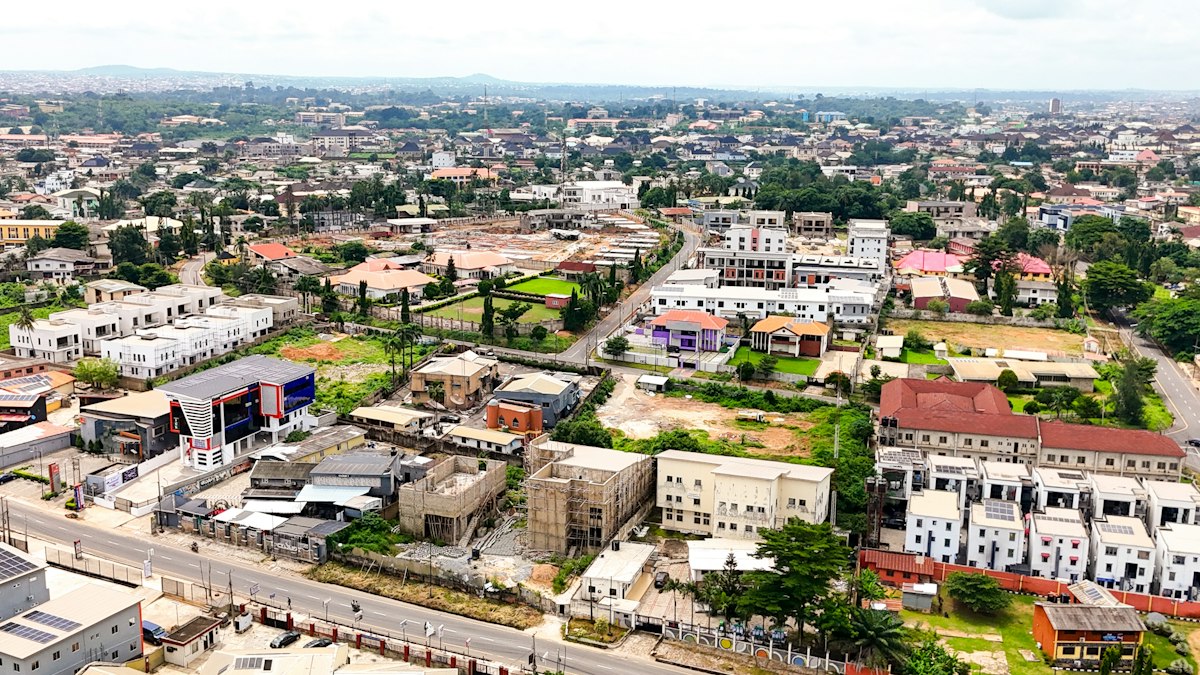
Ibadan's metro population hit 4.29 million in 2026, growing at 3.6% annually according to UN World Urbanization Prospects data. That is roughly 149,000 new residents every single year. The city covers 3,080 square kilometers, making it the largest by land area in Nigeria, but the urban core is saturated. Expansion is moving outward, and Ido Local Government Area sits directly in its path.
Ido LGA, carved from the former Akinyele Local Government in 1989, covers 986 square kilometers with a population of 152,520 at the 2022 census. It includes major towns like Apata, Ijokodo, Omi Adio, Apete, Elebu, and Akufo. It borders five other LGAs in Oyo State and Odeda LGA in Ogun State, placing it at a critical junction between Ibadan's western expansion and the Lagos corridor.
The Train Changed Everything
The Samuel Ladoke Akintola Train Station at Omi Adio, inside Ido LGA, is an operational stop on the Lagos to Ibadan Standard Gauge Railway. Daily service runs two return trips: departing Ibadan at 8am and 4pm, arriving Lagos (Ebute Metta) by 10:47am and 6:47pm respectively. The train stops at Omi Adio just 17 minutes after departing Ibadan.
This single piece of infrastructure fundamentally revalues every property within a 15 minute radius of the station. Before the railway, Ido was a peripheral LGA. Now it has direct rail connectivity to Abeokuta (41 minutes), Agege Lagos (under 2 hours), and central Lagos. That connectivity is permanent and only improves as the railway adds capacity.
Land Prices: The Arbitrage Is Still Wide Open
Current land prices in Ido tell the story of a market that has not yet fully priced in the infrastructure. A 500 sqm plot in Ido currently ranges from N1 million to N3.5 million depending on proximity to the expressway and title quality. In comparison, equivalent plots in Akobo (a more established Ibadan submarket just 15 minutes closer to the city center) now sell for N12 million to N18 million, tripling in under three years according to NaijaEstate field survey data. The price gap between Ido and Akobo represents the appreciation runway still ahead.
For built properties, 2 bedroom bungalows in Ido start at N18 million and 3 bedroom detached bungalows at approximately N35 million. In central Ibadan (Jericho, Bodija, Ring Road), equivalent properties start at N100 million and above.
Road Infrastructure Catching Up Fast
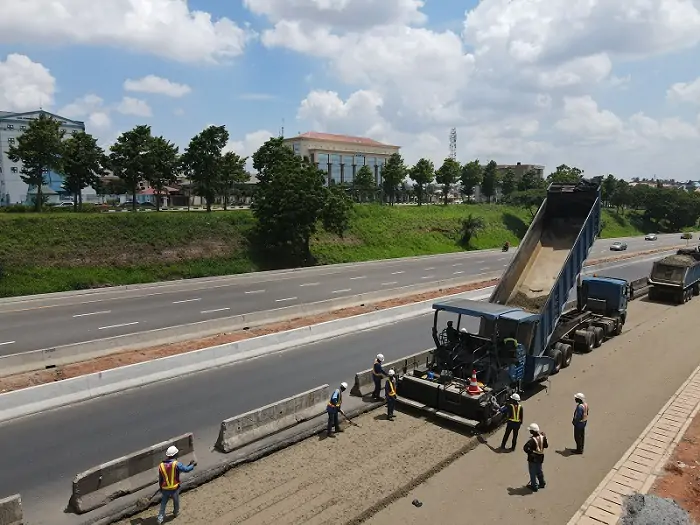
The Oyo State government completed the rehabilitation of the 10.3 km Ido to Omi Adio Road, directly improving access within the LGA. The Theophilus Akinyele Way (Akala Expressway), the Ibadan Circular Road, and the ongoing improvements to the Ido to Eruwa Road are all feeding into Ido's accessibility. These are not planned projects. They are completed or actively under construction.
Ido also benefits from the industrial presence that has historically anchored the area, including the former Nigerian Wire and Cable Ltd, Nigerian Mining Corporation at Omi Adio, and NNPC operations.
Why Ido, Not Moniya or Akobo?
Moniya and Akobo are further along in their growth cycles. Akobo land prices have already tripled. Moniya, anchored by the Obafemi Awolowo Railway Terminal and the bus terminal project, is mid boom with prices doubling in under three years. Ido is earlier in the curve. It has the same railway connectivity as Moniya (Omi Adio is one stop before Moniya), road infrastructure is being built out, and land prices remain a fraction of both.
The pattern is predictable: infrastructure leads, then commercial activity follows, then residential demand surges, then prices catch up. Ido is between stages one and two right now.
The Ilu Ayo Opportunity
Land Republic's Ilu Ayo development in Ido, Ibadan brings a thoughtfully planned residential community to this corridor. Positioned near the Omi Adio Train Station and the Ido Local Government Secretariat, it sits at the intersection of rail connectivity, road access, and a community rooted in Ibadan's deep cultural heritage. Ido's history stretches back to the 15th century Yoruba settlements, and Ilu Ayo honours that legacy while delivering modern infrastructure.
Key Data Points
- Location: Ido LGA, Ibadan, Oyo State
- Ibadan Metro Population (2026): 4.29 million, growing 3.6% annually
- Ido LGA Area: 986 sq km
- Railway Access: Samuel Ladoke Akintola Station, Omi Adio (17 min from Ibadan, under 2 hrs to Lagos)
- Land Prices (500 sqm): N1M to N3.5M
- Comparable Akobo Land Prices: N12M to N18M (tripled in 3 years)
- Key Infrastructure: Ido to Omi Adio Road (completed), Ibadan Circular Road, Akala Expressway
Sources
- UN World Urbanization Prospects via World Population Review (2026)
- MacroTrends, Ibadan Metro Area Population Data (2025)
- Wikipedia, Ido LGA, citing 2022 Census (population 152,520)
- Nigerian Railway Corporation, Lagos Ibadan Standard Gauge timetable
- NaijaEstate, Ibadan Property Market Outlook 2026 field survey
- Oyo State Feedback Service, Ido to Omi Adio Road completion (2024)
- Nigeria Property Centre, Ido market listings (2026)