Is Ido Ibadan the Next Real Estate Hotspot? What Smart Investors Need to Know in 2026
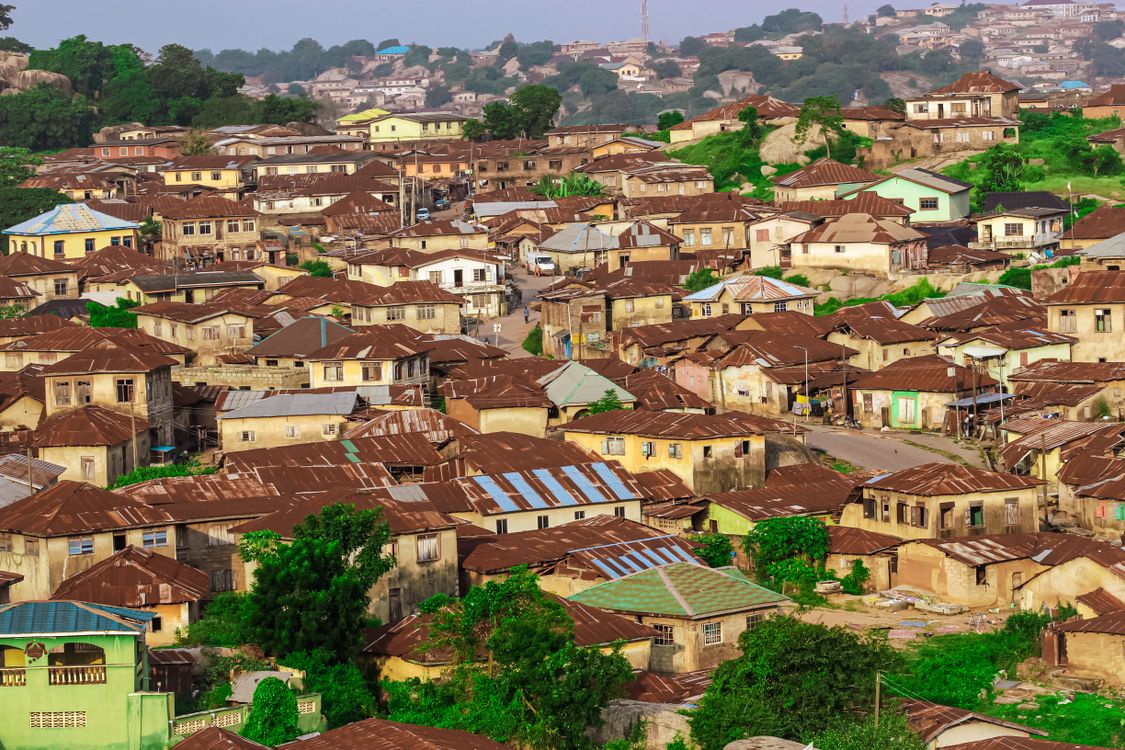
Why Ido Is Emerging as Ibadan's Fastest-Growing Property Corridor
If you have been tracking the Ibadan property market over the past two years, one name keeps surfacing in conversations among estate developers, land aggregators, and early-stage investors: Ido.
Once classified as a quiet, semi-rural local government area on the fringes of Ibadan, Ido is undergoing a transformation that mirrors what areas like Sangotedo and Ajah experienced in Lagos a decade ago. Families are moving in. Estate developments are multiplying. And land prices are climbing at a pace that rewards those who bought early and penalises those who waited.
The catalyst is not one single factor. It is a convergence of infrastructure spending, proximity to major economic hubs, and a widening price gap between Lagos and Ibadan that is pushing more Nigerians to look south-west for affordable, appreciating land.
According to Nigeria Housing Market data, land in Ibadan's peri-urban zones has appreciated between 8% and 15% annually since 2023. Ido, sitting at the intersection of the Circular Road corridor and the Lagos-Ibadan Expressway feeder routes, is at the centre of that growth.
The Numbers: What Land Costs in Ido Ibadan Right Now
One of the reasons Ido attracts investor attention is its pricing. While prime areas in Lagos command prices that put land ownership out of reach for most working Nigerians, Ido offers entry-level pricing with genuine upside potential.
Current market data shows land in the Ido corridor ranges from ₦2,000 to ₦15,000 per square metre, depending on proximity to major roads and the level of estate development. Pre-launch residential plots along Eruwa Road in Ido are currently available from ₦1.8 million for a 500 square metre plot, according to PropertyPro Nigeria listings.
For context, a comparable 500 square metre plot in Ibeju-Lekki or Ajah would cost anywhere from ₦15 million to ₦50 million. That makes Ido roughly 10 to 25 times more affordable than some of Lagos's growth corridors, while offering similar, if not stronger, annual appreciation rates.
The broader Ibadan market is also active. The average price of land for sale across Ibadan stands at approximately ₦23.1 million according to Nigeria Property Centre, but that average is heavily skewed by premium locations like Jericho and Bodija. Ido remains significantly below that average, which is precisely what creates the opportunity.
Three Infrastructure Projects Reshaping Ido's Value
Infrastructure is the single most reliable predictor of land price appreciation in Nigeria. When a new road, airport, or rail station comes to an area, property values follow. Ido currently sits in the path of three major projects.
1. The Ibadan Circular Road (110km)
The Oyo State Government has approved ₦235 billion for the second lot of the Rashidi Adewolu Ladoja Circular Road, a 110-kilometre highway designed to link all major entry and exit points of Ibadan. The first phase, a 32-kilometre stretch known as the South-East Wing running from the Lagos-Ibadan Expressway to Badeku Village, is expected to be delivered before year-end.
This road changes the geography of value in Ibadan. Areas that were previously "far" become 15 to 20 minutes from major commercial centres. Ido, positioned along the corridor's western route, benefits directly. When the Circular Road project launched compensation payments in April 2026, the Oyo State Executive Council approved ₦5.8 billion for more than 900 affected property owners, a clear signal that construction is progressing.
2. The Ibadan Airport Upgrade (1 Million Passengers)
The Samuel Ladoke Akintola International Airport in Alakia is undergoing a major upgrade that will increase its capacity from 100,000 to 1 million passengers annually. According to Nairametrics, the airport is expected to begin international flight operations by June 2026, with the runway extended to 3,000 metres to accommodate larger aircraft.
Properties near airport corridors historically see above-average appreciation as commercial activity increases, hospitality demand grows, and the area's perceived accessibility improves. Ido, located between the airport zone and the expressway corridor, is positioned to capture this spillover demand.
3. The Lagos-Ibadan Rail and Expressway Corridor
The NSIA-backed Lagos-Ibadan corridor development continues to drive commercial investment along the route. Properties near train stations, particularly in areas like Moniya and Ido, are seeing sustained appreciation. The combination of rail connectivity and a modernised expressway is making Ibadan increasingly viable for professionals who work in Lagos but want affordable homeownership.
How Ido Compares to Other Ibadan Investment Zones
Ibadan has several active investment corridors, each with a different risk and return profile. Here is how Ido stacks up.
Moniya (along Moniya-Iseyin Road): Moniya has attracted significant development over the past three years and is home to multiple estate projects. Prices here have already moved up, with many plots now above ₦5 million for 500 square metres. Moniya remains a solid bet, but the window for early-stage pricing is narrowing.
Akinyele and Egbeda: These LGAs are benefiting from the Ibadan Circular Road and the planned Ilu-Tuntun Smart City. They offer moderate pricing but are more built-up, meaning the upside for undeveloped land is lower.
Ido: Ido sits in a sweet spot. It is still early enough that prices have not fully reflected the incoming infrastructure, but late enough that development is already visible. New estates are coming online, families are settling in, and the combination of the Circular Road, airport, and expressway corridor provides multiple demand drivers rather than a single-point dependency.
According to Nigeria Housing Market forecasts, Moniya and Ido offer the strongest upside among Ibadan's investment areas, with Ido's lower base pricing giving it more room to run.
Why the Macro Picture Supports Ibadan Land Investment
This is not just a local story. The broader Nigerian real estate market is in a structural growth phase.
Following the NBS GDP rebasing, real estate now contributes 10.7% to Nigeria's GDP, making it the third-largest contributor to national output and surpassing the oil and gas sector for the first time in decades. The combined real estate and construction sectors account for 15.9% of GDP.
The Central Bank of Nigeria projects GDP growth to strengthen to 4.49% in 2026, up from 3.89% in 2025, with non-oil sectors and increasing mortgage financing identified as primary growth drivers. Nigeria's real estate market, valued at approximately $32.2 billion in 2025, is projected to reach $40 billion by 2030.
At the same time, the country's housing deficit remains at an estimated 22 to 28 million units. That gap between supply and demand is the fundamental reason land in growth corridors continues to appreciate. There are simply not enough developed properties to meet the needs of Nigeria's expanding urban population.
What to Look for When Buying Land in Ido Ibadan
Not every plot in Ido carries the same potential. Here are the factors that separate a strong investment from a speculative gamble.
Title documentation: Verify that the land has proper documentation. Look for a Certificate of Occupancy (C of O), Governor's Consent, or a Gazette. Avoid land with only family receipt or oral agreements, regardless of how attractive the price.
Proximity to infrastructure: Plots within 2 to 5 kilometres of the Circular Road corridor or major feeder roads will appreciate faster than those in remote interior areas. Road access is the primary driver of value in this market.
Estate vs. standalone: Buying within a structured estate offers security, planned infrastructure (drainage, internal roads, perimeter fencing), and a clearer appreciation trajectory. Standalone plots can be cheaper but carry higher risk and typically appreciate more slowly.
Developer track record: In a market where trust is a well-documented concern, work with developers who have a verifiable portfolio of delivered projects, transparent pricing, and proper allocation documentation.
Why Now Is the Time to Move
The window for early-stage entry into Ido's property market is narrowing. Infrastructure projects are progressing, not planned. Estate developments are launching, not conceptual. And prices are moving, not static.
The Oyo State Government allocated ₦210 billion to infrastructure in its 2026 budget, a commitment that signals continued development across the state. Every kilometre of new road, every phase of the airport upgrade, and every estate that sells out pushes the baseline price higher.
Land Republic currently offers properties in the Ido corridor, including The Pearl Residence and Ilu Ayo, Ibadan. Both estates are positioned within this growth zone, with proper title documentation, structured payment plans, and proximity to the infrastructure corridors driving Ido's transformation.
If you have been considering land investment in Ibadan but felt priced out of Moniya or uncertain about timing, Ido presents a data-supported entry point. The numbers, the infrastructure pipeline, and the macro trends all point in one direction.
Ready to secure your plot in Ido Ibadan? Speak with the Land Republic team today. Call +234 812 222 2283 or visit www.landrepublic.co to explore available properties and payment plans.