Land Prices in Ibadan vs Lagos: Where Nigerian Investors Get Better Value in 2026
The Numbers at a Glance: Ibadan and Lagos Land Prices Compared
If you have been browsing land listings in Nigeria recently, you have probably noticed the gap between what Lagos sellers ask for and what Ibadan offers. The difference is not marginal; it is structural.
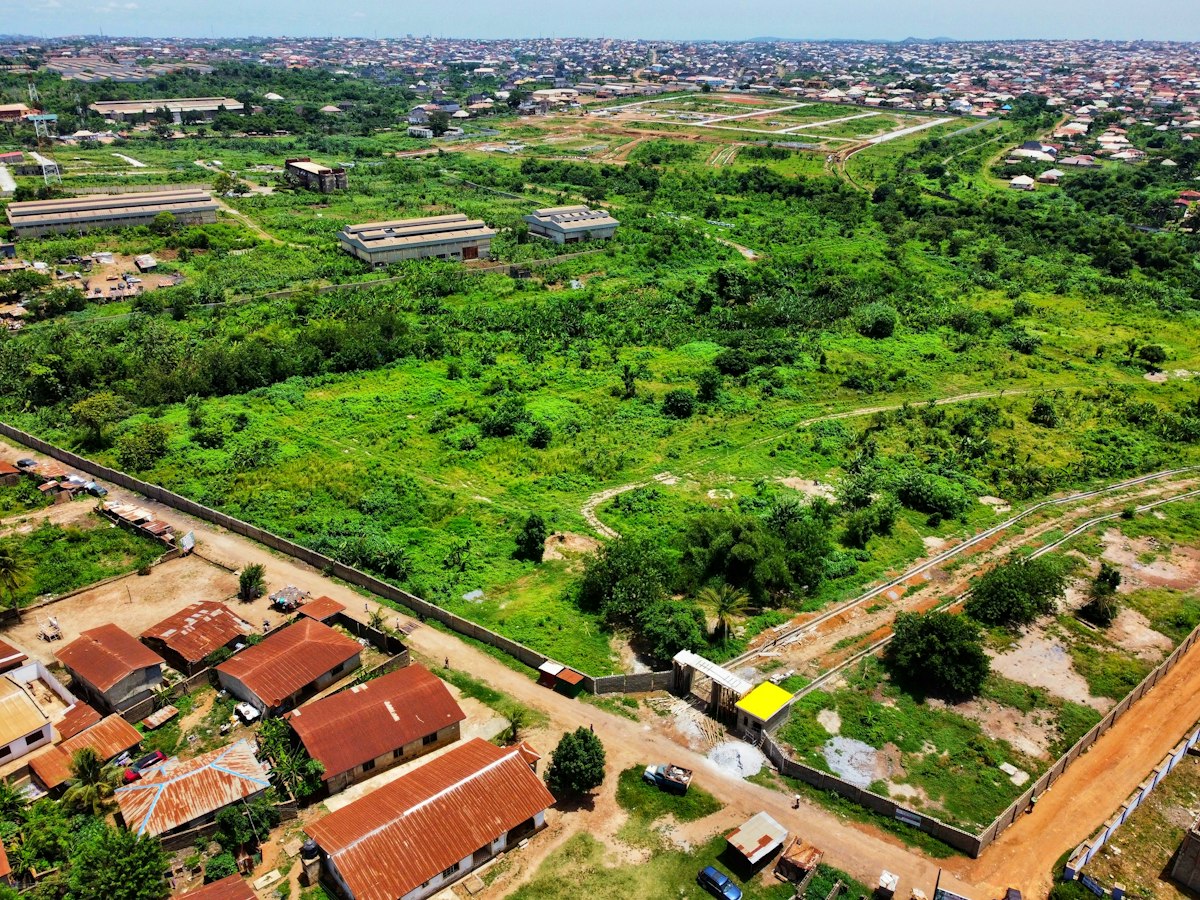
According to Nigeria Property Centre, the average asking price for land in Ibadan is approximately ₦139 million across all categories. But that average is skewed by large commercial plots. For residential land, the figure drops to around ₦120 million, and in fast-growing suburbs like Oluyole, Akobo, and Moniya, individual plots of 500sqm can still be found for ₦5 million to ₦18 million depending on the estate and proximity to major roads.
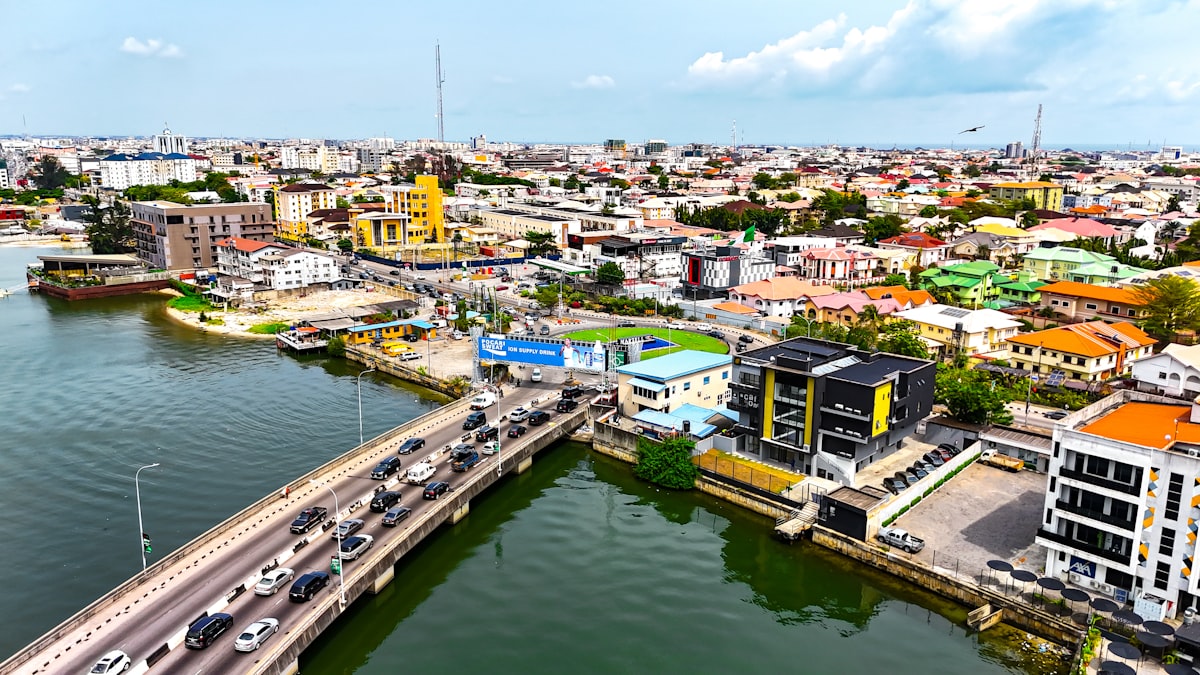
Lagos tells a different story. Data from Nigeria Housing Market shows that even in emerging corridors like Ibeju-Lekki, land prices range from ₦450,000 to ₦900,000 per square metre. In established areas like Ajah, prices run between ₦600,000 and ₦1.6 million per square metre. A standard 500sqm plot in most parts of mainland Lagos now costs ₦30 million at the low end.
The takeaway? According to The Africanvestor, Ibadan is 40 to 60 percent cheaper than Lagos for comparable properties. For investors working with a budget of ₦10 million to ₦25 million, that price gap means the difference between owning one plot in Lagos or two to three plots in Ibadan.
Why the Price Gap Exists (and Why It Is Closing)
Ibadan's lower prices are partly a function of history. Lagos has been Nigeria's commercial capital for decades, attracting concentrated infrastructure investment, corporate headquarters, and international attention. Ibadan, despite being one of Africa's largest cities by land area, was often considered a secondary market.
That perception is changing fast. Three factors are compressing the gap:
Population pressure. Lagos is running out of affordable land. As prices in fringe areas like Ibeju-Lekki climb by double digits annually, middle-income earners and diaspora investors are looking for alternatives within a two-hour drive.
Infrastructure convergence. The Lagos-Ibadan Railway, now fully operational, has cut travel time between the two cities. The Lagos-Ibadan Expressway continues to improve connectivity. These projects make Ibadan accessible in ways that were not practical five years ago.
Government spending. Oyo State's capital expenditure has increased dramatically, with the state government channelling billions of naira into road networks, airport upgrades, and urban planning. These are the kinds of investments that historically preceded price surges in Lagos markets.
Infrastructure That Is Driving Ibadan's Land Prices Up
The Ibadan Circular Road
This is the single biggest catalyst for land appreciation in Oyo State right now. According to Tribune Online, the Oyo State Government approved ₦235 billion for the second lot of the project, covering 39 kilometres. The first 32-kilometre stretch has been inaugurated, and the government aims to complete the entire 110-kilometre loop within 18 months.
In April 2026, the Oyo State Executive Council approved ₦5.8 billion in compensation for more than 900 property owners affected by the road expansion. When a government compensates at that scale, it signals permanent transformation of the surrounding land market.
Land in areas directly along new road corridors has seen the steepest gains, with Naija Estate reporting that Ibadan's peri-urban zones have appreciated between 8 and 15 percent annually since 2023.
Airport Expansion
The Samuel Ladoke Akintola International Airport is being expanded from a terminal handling roughly 100,000 passengers annually to a new international terminal designed for 1,000,000 passengers per year, with completion projected for mid-2026. Supporting projects already delivered include the dualisation of the 3.2-kilometre Airport Road and a new 500,000-litre aviation fuel storage system.
Airports drive commercial real estate demand: hotels, logistics, and retail tend to cluster around terminals. For land investors, proximity to the expanded airport is a positioning advantage.
The Lagos-Ibadan Railway
With the rail corridor now operational, Ibadan is no longer "too far from Lagos" for professionals who work in one city and want to live in another. This has created a commuter class that did not exist before, and they need housing. Housing demand drives land demand.
Where the Smart Money Is Moving in Ibadan
Not all areas are appreciating at the same rate. Here are the zones drawing the most investor interest:
Moniya corridor. Land along the Moniya-Iseyin Road is appreciating at roughly 25 percent annually, according to market estimates. The area benefits from rail access, road upgrades, and proximity to the University of Ibadan.
Oluyole. As Ibadan's established commercial hub, Oluyole continues to attract both residential and commercial buyers. The Oluyole Modern Market area has seen steady demand as the state government invests in commercial infrastructure.
Ido axis. Ido is positioned along the Lagos-Ibadan corridor and benefits from spillover demand. Land prices here remain accessible, but the trajectory is upward.
Akobo to Ojoo. These areas have transformed from farmland into emerging residential clusters. Land that sold for ₦4 to ₦5 million three years ago now averages ₦12 to ₦18 million, according to Nigeria Property Centre listings.
What About Lagos? Where It Still Wins
To be fair, Lagos still has advantages for certain types of investors:
Rental yields. Lagos rental markets, particularly short-let apartments in Lekki and Victoria Island, deliver higher absolute returns. Luxury residential properties in Lagos appreciate 10 to 18 percent with yields of 5 to 9 percent, according to The Africanvestor.
Liquidity. Land in prime Lagos locations sells faster. If you need to exit an investment quickly, Lagos gives you more buyers.
International appeal. Foreign direct investment in Nigerian real estate reached $1.8 billion in 2025, according to preliminary data from the National Bureau of Statistics (NBS) and Central Bank of Nigeria. Most of that capital flows through Lagos.
But for investors focused on capital appreciation from a lower entry point, Ibadan offers a more compelling risk-reward ratio. You are buying into a market where infrastructure spending is accelerating but prices have not fully caught up.
The Inflation Angle: Why Land Beats Savings Accounts
Nigeria's headline inflation stood at 15.91 percent in June 2026, according to the NBS. A savings account yielding 4 to 6 percent loses purchasing power every month. Treasury bills and fixed deposits offer better rates but rarely outpace inflation consistently.
Land in growth corridors, by contrast, has been appreciating at 8 to 25 percent annually depending on location. In Ibadan specifically, the combination of low entry prices and infrastructure-driven appreciation means your capital works harder. The real estate sector now contributes 10.7 percent to Nigeria's GDP following the NBS rebasing, up from 6.2 percent previously, reflecting how central property has become to the Nigerian economy.
How to Decide: A Practical Framework
Choosing between Ibadan and Lagos is not about which city is "better." It depends on your investment profile:
Buy in Ibadan if:
- Your budget is under ₦25 million and you want multiple plots
- You are looking for 3- to 5-year capital appreciation
- You want land in an area with active infrastructure development
- You are a diaspora investor building a portfolio gradually
Stay with Lagos if:
- You need rental income immediately (short-let or residential)
- Your budget exceeds ₦50 million and you want premium locations
- You are developing commercial real estate
- Quick resale liquidity is a priority
For many investors, the answer is both. A blended strategy with one plot in an emerging Lagos corridor and two plots in a high-growth Ibadan zone diversifies risk while maximising upside.
What Land Republic Offers Investors in Ibadan
At Land Republic, several of our most sought-after estates are located in Ibadan's growth corridors:
- Premier City in Ibadan offers plots with verified title documents, estate infrastructure, and flexible payment plans. With multiple phases available, it is designed for investors at various budget levels.
- The Pearl Residence in Ido, Ibadan positions buyers along the Lagos-Ibadan corridor, one of the fastest-appreciating zones in Oyo State.
- Ilu Ayo in Ido provides affordable entry points for first-time land buyers who want exposure to Ibadan's growth story.
Every property comes with proper documentation, an allocation process you can verify, and a team that walks you through the purchase from inspection to handover.
The Bottom Line
Lagos is not going anywhere. It will remain Nigeria's most expensive and most liquid real estate market. But the data shows that Ibadan offers something Lagos increasingly cannot: affordable entry into a market with strong, infrastructure-backed appreciation.
Land prices in Ibadan have doubled in under three years in some areas. The Circular Road, airport expansion, and railway connectivity are not promises; they are projects already under construction or recently delivered. The window to buy at current prices will not stay open indefinitely.
If you are ready to explore land in Ibadan or want help comparing specific plots, reach out to the Land Republic team. Call or WhatsApp us on +234 812 222 2283 or visit www.landrepublic.co to browse available properties.