Is Buying Land in Mowe, Ogun State Worth It? Here's What the Data Shows in 2026
Why Mowe Is on Every Smart Investor's Radar
If you have been watching the Lagos real estate market from the sidelines, priced out by skyrocketing land values, there is a corridor just 29 kilometres from Lagos that quietly offers some of the best land deals in Southwest Nigeria.
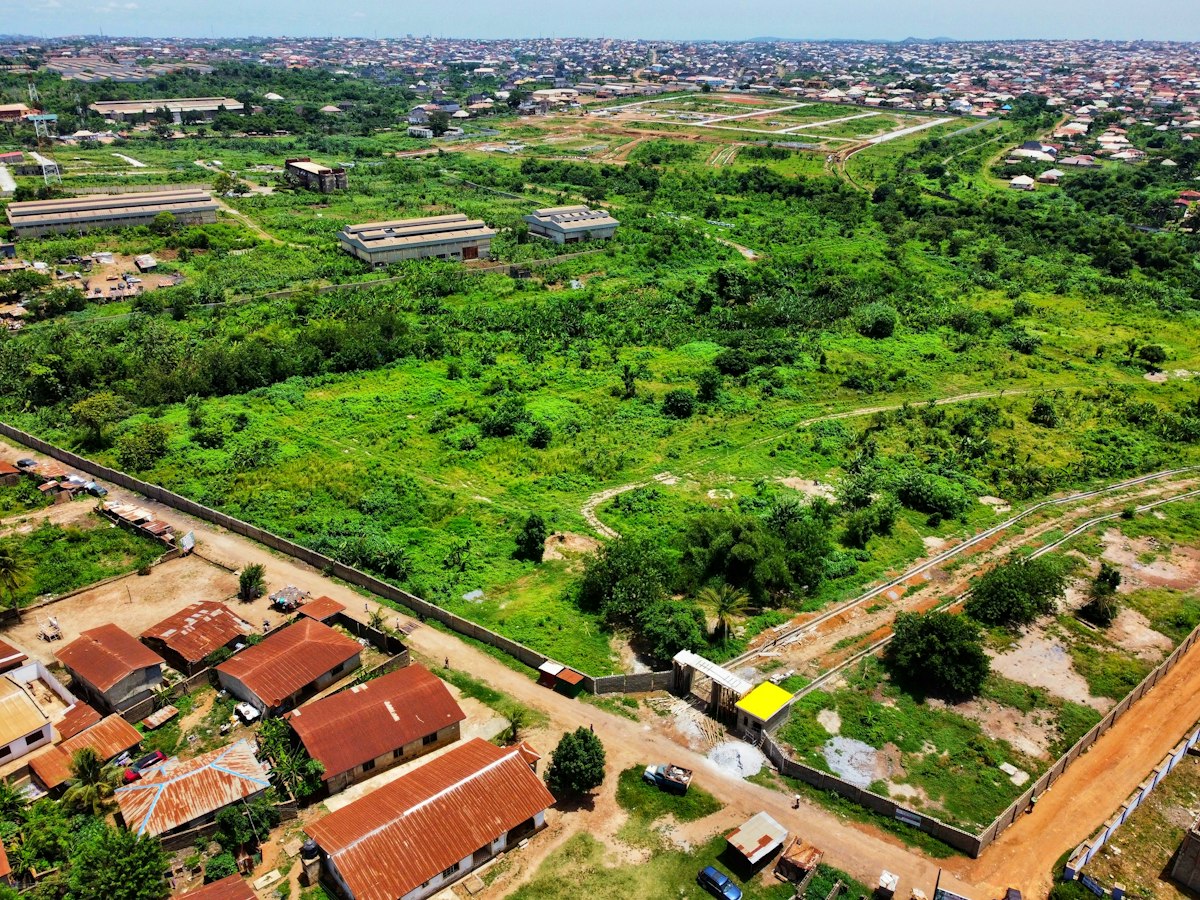
Mowe, located in Obafemi-Owode Local Government Area of Ogun State, sits directly on the Lagos-Ibadan Expressway. Once dismissed as "too far from Lagos," the town has transformed into a thriving urban hub where land values are climbing steadily and infrastructure investment is pouring in from both state and federal governments.
Three forces are converging to make Mowe one of the most attractive land markets in Nigeria right now.
Population pressure. Ogun State's population has reached an estimated 6.15 million in 2026, growing at 3.36% annually. Much of that growth is concentrated along the Lagos border corridor, where towns like Mowe, Ibafo, Magboro, and Arepo are absorbing hundreds of thousands of workers and families who commute to Lagos daily.
The Lagos spillover effect. As Lagos land prices continue to climb beyond ₦20 million for a standard plot in most developed areas, buyers and renters are moving to Ogun State in record numbers. According to PropertyPro Nigeria, developers who once focused exclusively on Ikorodu and Ajah are now shifting attention to the Mowe-Ofada axis, where land is 50 to 70% cheaper.
Infrastructure. The Lagos-Ibadan Expressway reconstruction, federal housing projects, and Ogun State's aggressive capital spending are all transforming Mowe from a transit town into a destination.
Current Land Prices in the Mowe-Ofada Corridor
According to Nigeria Property Centre, the average price of land for sale in the Mowe-Ofada area is approximately ₦6 million for a standard plot, though prices vary significantly depending on the estate, proximity to the expressway, and title documentation.
Here is a snapshot of current pricing across popular estates in the corridor:
- Diamond Estate, Mowe: 300 sqm from ₦2.5 million; 600 sqm from ₦4.5 million
- Vestige Park & Gardens: 300 sqm from ₦3.9 million (pre-launch); 500 sqm from ₦6.5 million
- Mint Court Estate: 300 sqm from ₦7.5 million; 600 sqm from ₦15 million
- Mowe Prime (Land Republic): 300 sqm from ₦8 million; 500 sqm from ₦15 million
The cheapest plots in the corridor start at around ₦500,000 for unserviced land in less developed pockets, while premium estate plots with Certificate of Occupancy (C of O) documentation can reach ₦15 million or more for larger parcels.
What stands out is the range. Depending on your budget, Mowe offers entry points for first-time buyers at under ₦3 million while also providing premium estate options for serious investors.
The Lagos-Ibadan Expressway Effect
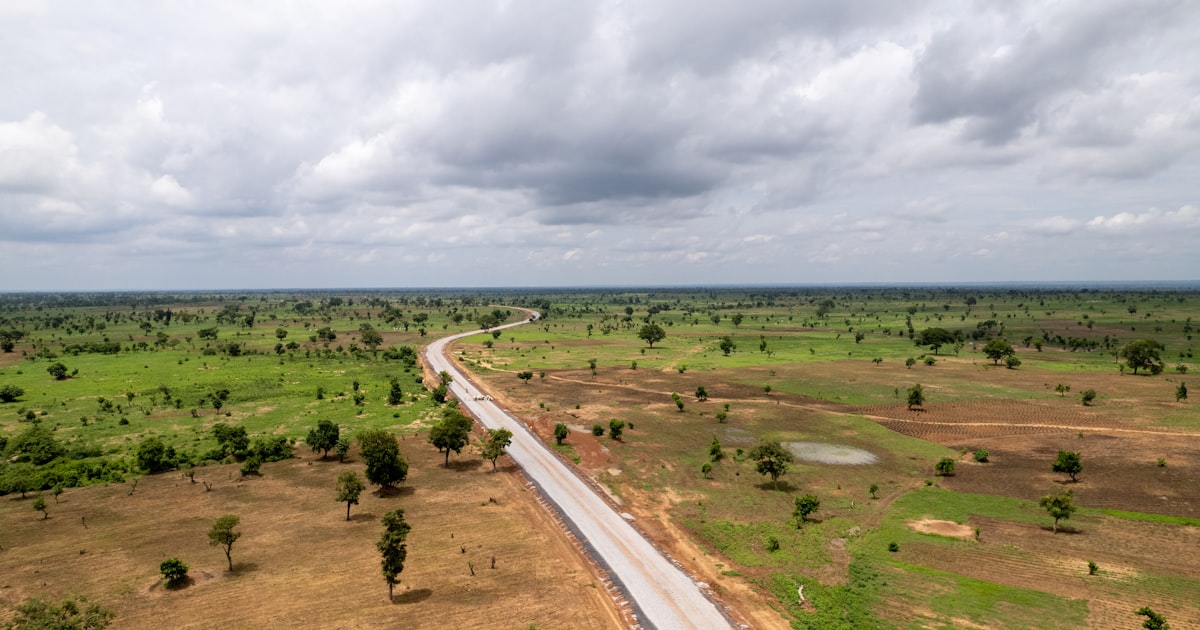
The single biggest driver of land value appreciation along the Mowe corridor is the Lagos-Ibadan Expressway reconstruction.
Phase Two of the project, flagged off by the federal government, includes several improvements that directly affect the Mowe-Ibafo stretch:
- Underpasses at Kara, Wawa, Magboro, and Arepo
- Flyover bridges at Kilometre 16 (near Mountain of Fire Ministries) and Kilometre 37 at Makun, Sagamu
- Five pedestrian bridges at Arepo, Magboro, NASFAT, Deeper Life, and Redemption City
- Warning gantry installations began near Mountain Top University at Kilometre 13, before Ibafo, as recently as June 25, 2026
According to the Federal Ministry of Works, Phase Two is set for completion within 24 months. While Nigerian infrastructure timelines often stretch, the visible pace of construction activity along the Mowe-Ibafo axis in 2026 is real and accelerating.
History shows that when major road infrastructure is completed in Nigerian cities, land prices in adjacent areas can double within three to five years. The Third Mainland Bridge did it for Lekki-Ajah. The Mowe-Ibafo corridor appears to be next in line.
Ogun State's ₦1.67 Trillion Budget: What It Means for Property Buyers
Beyond federal infrastructure, Ogun State is spending big on development. Governor Dapo Abiodun's 2026 Appropriation Bill totals ₦1.669 trillion, with a capital expenditure allocation of ₦1.044 trillion. That is over 62% of the state budget going directly into building infrastructure, expanding housing, and attracting investment.
Specific initiatives that impact the Mowe corridor include:
- A target of 3,000 new housing units in 2026, backed by a ₦100 billion housing budget
- 579 low-income housing units planned for delivery in Siun, within Obafemi-Owode LGA (the same local government area that includes Mowe)
- Ongoing road rehabilitation projects across the state
- Industrial zone expansion that continues to attract manufacturers and employers
According to BusinessDay, the state's economy has grown from ₦3.5 trillion to ₦16 trillion in recent years, ranking Ogun among Nigeria's top three states in Internally Generated Revenue. That economic base creates jobs, and jobs create demand for housing and land.
How Mowe Land Prices Compare to Lagos
To put Mowe pricing in perspective, consider what the same money buys you in Lagos versus Ogun State:
- Lekki Phase 1, Lagos: ₦80M to ₦150M per 300 sqm plot
- Ajah, Lagos: ₦15M to ₦35M per 300 sqm plot
- Ikorodu, Lagos: ₦5M to ₦12M per 300 sqm plot
- Mowe-Ofada, Ogun: ₦2.5M to ₦8M per 300 sqm plot
A buyer spending ₦8 million in Mowe can secure a 300 sqm plot in a structured estate with C of O documentation, good road access, and proximity to the expressway. That same ₦8 million barely covers a plot in the less developed parts of Ikorodu.
According to Statista, Nigeria's real estate market is projected to reach US$2.42 trillion by 2026, with residential real estate holding the largest share. As cities like Lagos hit saturation, the growth will increasingly flow to well-connected satellite towns. Mowe sits at the top of that list.
Meanwhile, the Central Bank of Nigeria reports that inflation has dropped to 14.45%, its lowest in over three years. The CBN has begun cutting its Monetary Policy Rate from a peak of 27.5% in August 2025, signaling a more favourable borrowing environment for property buyers. This combination of falling inflation and rate cuts creates a window for investors to lock in land at current prices before the next wave of appreciation.
Who Should Buy Land in Mowe?
Mowe works for several buyer profiles, and knowing where you fit helps you pick the right plot and price range.
The Lagos commuter. If you work in Lagos and spend over two hours commuting from areas like Ikorodu, Ojo, or Badagry, Mowe offers a comparable or shorter commute with significantly lower cost of living and land ownership costs.
The diaspora investor. Nigerians abroad looking to build a property portfolio back home often start with Mowe because of the price point. A ₦5 to ₦8 million plot is accessible, and the appreciation potential is strong given ongoing infrastructure upgrades.
The first-time land buyer. If you have never owned land before, Mowe is one of the few places near Lagos where you can get started with less than ₦3 million. Estates with structured payment plans make it even more accessible.
The long-term investor. If you do not need the land immediately but want to park capital in an asset that historically outpaces inflation, land in growing corridors like Mowe offers exactly that. The ₦1.67 trillion state budget and ongoing expressway work provide a concrete catalyst for appreciation.
5 Things to Check Before You Buy Land in Mowe
The Mowe market offers genuine opportunity, but as with any land purchase in Nigeria, due diligence is essential. Here are five non-negotiable checks:
1. Verify the title document. Look for land with a Certificate of Occupancy (C of O), Registered Survey, or Governor's Consent. These are the three strongest title documents in Nigeria. Avoid land with only an "Excision in Progress" claim unless you can independently verify the status with Ogun State's lands bureau.
2. Choose an estate over standalone land. Buying into a structured estate means perimeter fencing, internal roads, drainage, and a developer who has a reputation to protect. Standalone plots may be cheaper, but the risk of encroachment, boundary disputes, and lack of infrastructure is significantly higher.
3. Inspect the access road. During the rainy season (April to October in Southwest Nigeria), some off-expressway roads in Mowe become difficult to navigate. Visit the land during the rains. If you cannot access it in July, think twice.
4. Check proximity to the expressway. Plots within 2 to 5 kilometres of the Lagos-Ibadan Expressway command premium prices for a reason. They are easier to access, closer to commercial centres, and benefit directly from expressway improvements. Plots much farther from the expressway may be cheaper but appreciate more slowly.
5. Research the developer. In a market as active as Mowe, new developers appear regularly. Check for verifiable past projects, physical office locations, and customer testimonials. Companies like Land Republic, with a documented track record across multiple states and estates, offer a level of assurance that newer entrants may not.
Secure Your Plot in the Mowe-Ofada Corridor Today
The data points clearly in one direction: Mowe is transitioning from a Lagos commuter town into a full-fledged urban centre. With land prices still between ₦2.5 million and ₦15 million depending on the estate, there is a window to buy before the next round of price increases that typically follow major infrastructure completion.
Land Republic's Mowe Prime estate offers 300 sqm and 500 sqm plots in a structured, fully serviced development along the Lagos-Ibadan Expressway corridor. With verified title documentation, flexible payment plans, and a track record of delivering across Lagos, Oyo, and Ogun states, it is designed for buyers who want both security and value.
To speak with a property advisor or schedule an inspection visit, call +234 812 222 2283 or visit landrepublic.co/properties/mowe-prime.