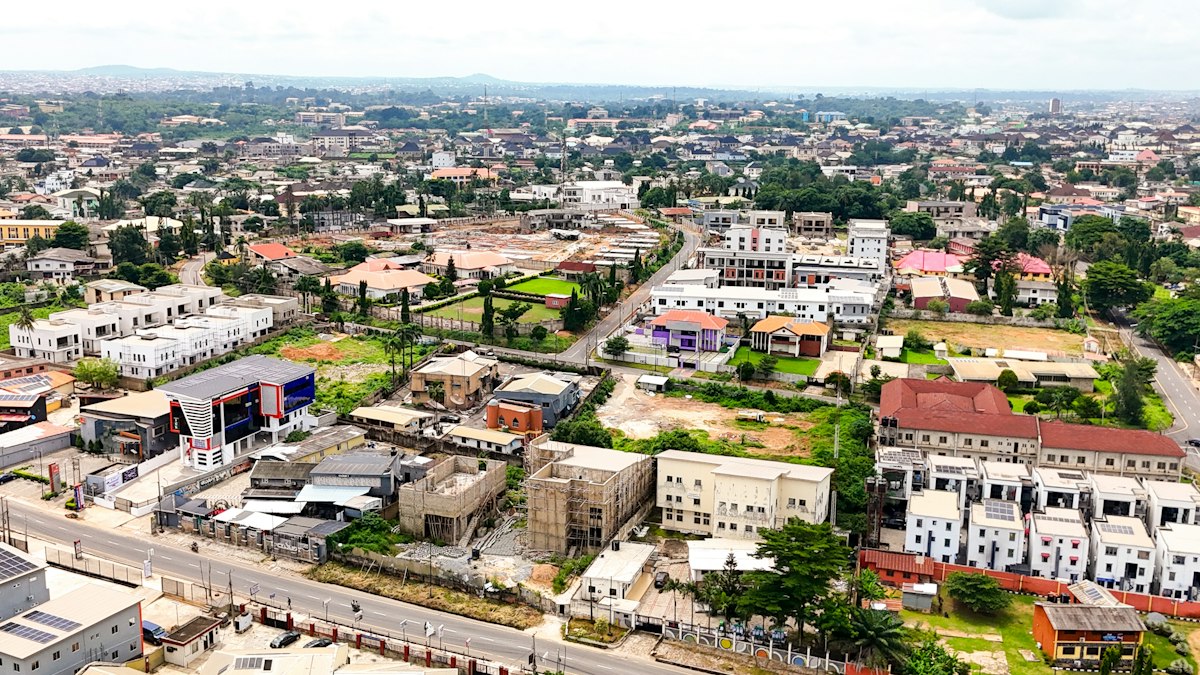
Is Buying Land in Ibadan Better Than Saving in the Bank? What 2026 Data Reveals
The Quiet Wealth Drain Most Nigerians Ignore
You have money in the bank. Maybe a fixed deposit earning 10% or 12% annually. It feels safe. The numbers go up every quarter. But here is the uncomfortable truth: Nigeria's National Bureau of Statistics (NBS) reported headline inflation of 15.43% in July 2026. If your fixed deposit is returning less than that, your money is shrinking in real terms every single month.
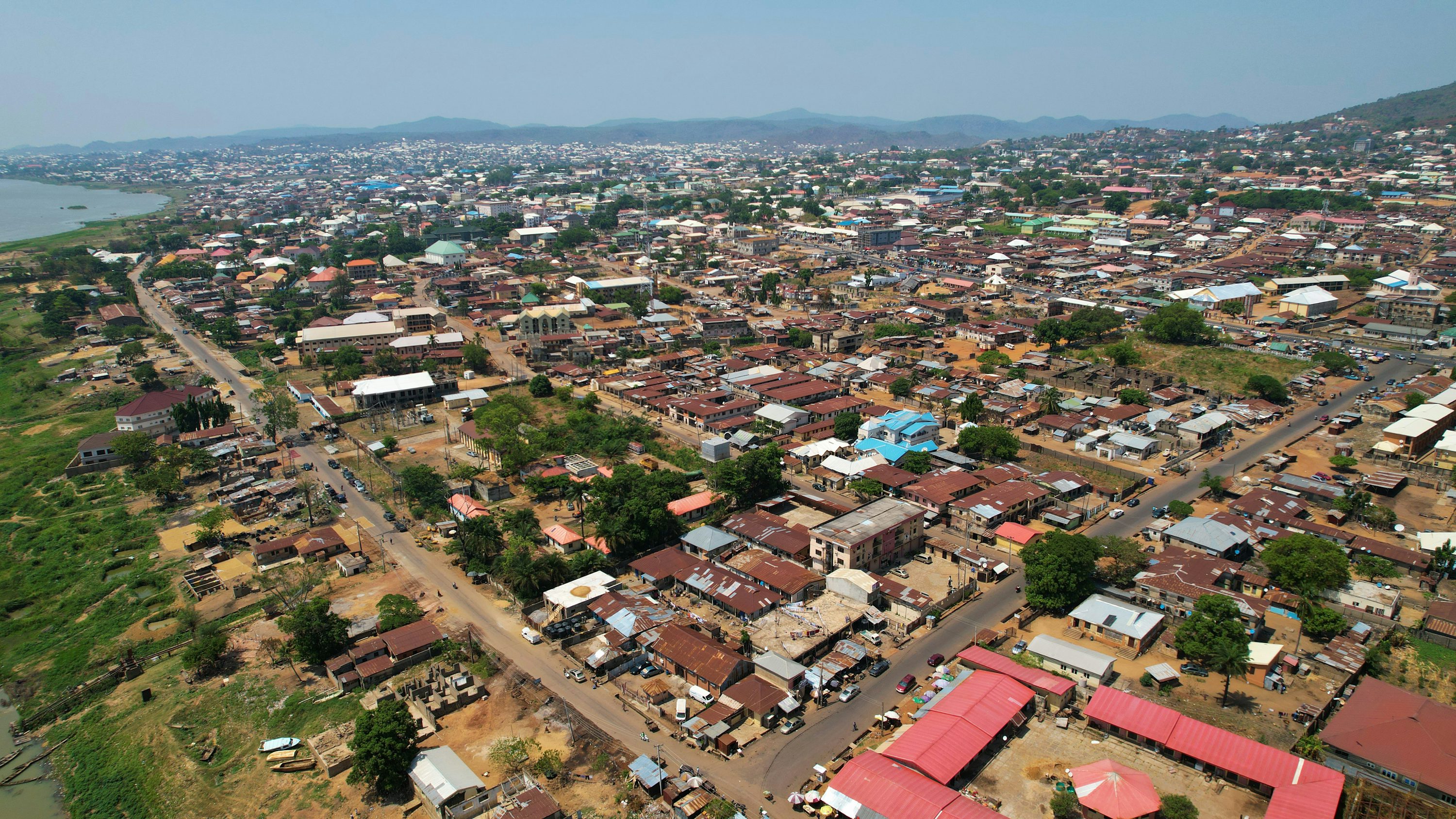
Meanwhile, land in Ibadan's growth corridors has tripled in value over the past four years. Entry prices in emerging sub-zones start below ₦5 million per plot. And the infrastructure projects transforming Oyo State are far from done.
This is not speculation. This is a data-backed comparison of two very different ways Nigerians are building wealth in 2026.
Fixed Deposits in Nigeria: What the Numbers Actually Show
The Central Bank of Nigeria (CBN) held its benchmark Monetary Policy Rate at 26.50% at its July 2026 meeting, citing persistent inflationary risks. This has pushed deposit rates higher than in previous years, but not nearly enough to outpace inflation for most savers.
Here is what Nigerian banks are actually paying on fixed deposits in 2026:
- Tier-1 banks (GTBank, Access Bank, Zenith, First Bank, UBA): 8% to 15% per annum depending on amount and tenure
- Newer digital lenders (Providus, CredPal, Rank Capital): 23% to 30% per annum
At first glance, the higher-tier returns from digital lenders look attractive. But consider this: even at 15% annual return from a top bank, you are earning less than the 15.43% inflation rate. Your purchasing power is declining. At 10%, which is what many Nigerians actually get on modest deposits, the real return is negative 5.43%.
The math is simple. A ₦5 million deposit at 12% gives you ₦600,000 in annual interest. After inflation, that ₦5.6 million buys less than your original ₦5 million did twelve months ago.
Land Appreciation in Ibadan: What Four Years of Data Shows
Now compare that to what has happened in Ibadan's real estate market.
According to listings data from Nigeria Property Centre and PropertyPro, land in growth areas of Ibadan has appreciated significantly:
- Akobo corridor: Plots that sold for ₦1.5M to ₦2M in 2022 now trade at ₦5M to ₦15M depending on proximity to main roads. That is a 200% to 650% increase in four years.
- Moniya-Iseyin Road: Entry-level residential plots start at ₦3 million for 300sqm, up from under ₦1 million just three years ago.
- Ido axis: Residential plots in structured estates range from ₦3.5M to ₦5M for 400-500sqm, with consistent annual appreciation of 25% to 40%.
- Premium areas (Akala GRA, Jericho): 500sqm plots command ₦45M to ₦60M, driven by limited supply and commercial demand.
Even taking the most conservative estimate, land in Ibadan's emerging corridors has delivered 25% to 40% annual returns over the past four years. That is double to triple what the best fixed deposits offer, and well above inflation.
Why Ibadan Specifically? The Infrastructure Factor
Land does not appreciate in a vacuum. Ibadan's growth is being fueled by a convergence of major infrastructure projects that are physically transforming how the city functions:
Lagos-Ibadan Expressway: Now 100% Complete
The main carriageway of the Lagos-Ibadan Expressway is fully complete, with only 8.5km of ancillary sections remaining. The new concrete pavement is engineered to last 50 to 100 years with minimal maintenance. This has slashed travel time between Lagos and Ibadan and made commuter living a practical reality for Lagos workers priced out of the city.
Ibadan Circular Road: 110km Ring Road
The Ibadan Circular Road project is a 110km ring road with the first 32km segment inaugurated in early 2026. The government is planning a Smart City corridor along its path, with automated traffic management and dedicated green zones. Every kilometre of this road creates new frontage land that jumps from agricultural to commercial value overnight.
Ibadan Airport Expansion
A 1-million-passenger terminal is under construction at the Ibadan airport, positioning the city as a regional aviation hub. Airport proximity has historically been one of the strongest drivers of land value in Nigerian cities.
Ibadan-Ife-Ilesa Expressway Reconstruction
The 108.4km Ibadan-Ife-Ilesa Expressway is being converted from asphalt to concrete pavement by CBC Global, a multinational construction firm. This opens corridors south and east of Ibadan to rapid development.
Lagos-Ibadan Standard Gauge Railway
Already operational, the rail link has made Ibadan accessible by modern rail from Lagos, further compressing the economic distance between Nigeria's two largest southwestern cities.
Each of these projects does the same thing: it makes land along its corridor more accessible, more useful, and more valuable. Fixed deposits do not have this mechanism. They just sit there.
The Risk Question: Is Land Really Safer?
Sceptics will point out that land comes with risks. And they are right, but not in the way most people think.
The primary risks in Nigerian land investment are:
- Title fraud: Eliminated by purchasing from verified developers with proper C of O, gazette documentation, or registered survey
- Encumbrance: Eliminated by conducting proper due diligence before purchase
- Illiquidity: Land takes longer to sell than withdrawing from a bank account, typically 2 to 6 months
Compare that to fixed deposit risks:
- Inflation erosion: Near-certain at current rates. Your money is losing value every day.
- Bank instability: NDIC insurance covers up to ₦5 million, but the CBN's ongoing recapitalization process reveals structural weaknesses in the sector
- Opportunity cost: Money locked in at 12% while land appreciates at 30%+ represents a massive wealth gap over time
The question is not whether land carries risk. It is whether bank deposits carry a different kind of risk that most people simply do not see because the number on their statement keeps going up (even as its real value goes down).
But What About the Stock Market?
Fair question. The NGX All-Share Index returned 47.4% in the first half of 2026, making it Africa's second-best performing stock market. That is impressive.
But consider the differences:
- Volatility: The NGX can swing 5% to 10% in a single week. Land values in Ibadan have moved in one direction over four years: up.
- Accessibility: You can buy a plot of land in Ibadan for ₦3 million with no brokerage account, no technical analysis, and no daily monitoring. Stock investing requires knowledge most Nigerians do not have.
- Tangibility: Land is physical. You can visit it, fence it, and build on it. It will be there next year whether the market crashes or not.
- Leverage: Land appreciates AND generates utility. You can build, rent, farm, or subdivide. Stocks only generate returns through price movement or dividends.
Stocks are a valid wealth-building tool for those with the expertise. But for the average Nigerian looking to preserve and grow wealth with a single decision, land in a growing city like Ibadan offers a simpler path with fewer points of failure.
Who Should Be Buying Land in Ibadan Right Now?
Based on the data, land in Ibadan makes sense for:
- Salary earners with ₦3M to ₦10M in savings sitting in low-yield accounts
- Diaspora Nigerians looking for a tangible asset that appreciates without requiring daily management
- Young professionals who want to start building wealth before Lagos prices put homeownership permanently out of reach
- Parents planning long-term for their children's future (a plot bought today at ₦3M could be worth ₦15M by the time a child reaches university age)
How to Buy Smart: Avoiding Common Pitfalls
The returns above assume you buy correctly. Here is what that means:
- Buy from a verified developer with proper title documentation, not from individual sellers without clear provenance
- Prioritise locations along infrastructure corridors where government spending is creating new value
- Confirm the title type: C of O (Certificate of Occupancy), Gazette, Registered Survey, or Excision are all valid, but their market implications differ
- Visit the site before purchase to confirm physical conditions match what is advertised
- Check for encumbrances at the relevant Land Registry to ensure no competing claims exist
Take the First Step Toward Real Wealth Growth
If your savings are sitting in a bank earning 10% to 12% while inflation runs at 15%, you are not saving. You are slowly losing money. The data is clear: land in Ibadan's growth corridors has outperformed fixed deposits by a wide margin over the past four years, and the infrastructure projects driving that appreciation are still underway.
Land Republic offers verified properties in Ibadan's highest-growth corridors, including The Pearl Residence in Ido and Premier City, with proper documentation, transparent pricing, and flexible payment plans.
Ready to move your money from the bank to an asset that actually grows? Call Land Republic today at +234 812 222 2283 or explore available properties here.