Is Land Still a Good Investment in Nigeria? What 2026 Market Data Reveals About Returns and Where to Buy
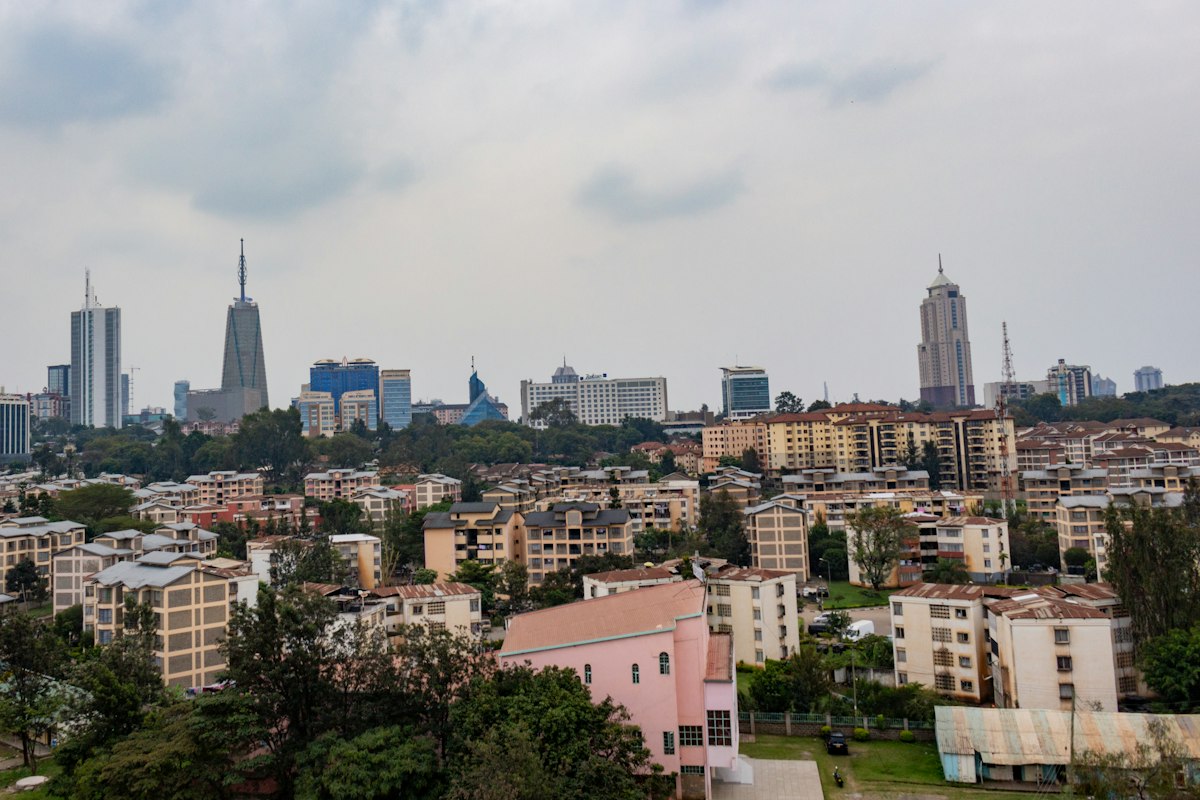
Nigeria's Real Estate Sector Is Growing. The Numbers Prove It.
If you've been sitting on the fence about buying land in Nigeria, the latest economic data should get your attention. According to the National Bureau of Statistics (NBS), Nigeria's real estate sector contributed 12.71% to the country's GDP in Q2 2026, making it the third largest contributor to the national economy after trade and agriculture.
That is not a niche industry. That is a sector pulling its weight alongside oil, telecoms, and banking.
At the same time, Nigeria's overall GDP grew by 4.43% year-on-year in Q2 2026, the fastest pace in recent years. The construction sector grew even faster at 6.75% year-on-year, signalling a building boom that is pushing property values upward across southwest Nigeria.
But GDP figures alone do not answer the question most people are asking: should I actually put my money into land right now?
Let's look at what the data says about real returns, the best locations, and the risks you should know about before committing.
What Are Land Investors Actually Earning in 2026?
Forget the hype. Here is what verified market data shows across three key corridors in southwest Nigeria:
- Ibadan, Oyo State: Land along major growth corridors is appreciating between 15% and 25% annually, according to property market reports. Plots in the Ido corridor sell for ₦1 million to ₦7.5 million for 500 sqm. Established areas like Bodija command significantly higher prices, with averages around ₦155 million.
- Mowe-Ofada, Ogun State: This corridor has been recording roughly 30% annual appreciation. A 300 sqm plot here costs ₦3 to 4 million compared to ₦15 to 25 million for similar sizes in Lagos. Market projections point to 50 to 70% appreciation over three years.
- Ajah and Abraham Adesanya, Lagos: The premium end of the market. Two-bedroom apartments average ₦102 million, with rental yields averaging ₦5 to 6 million per year. Higher entry cost, but sustained demand keeps this corridor competitive.
Compare these returns to a fixed deposit at 15 to 20% annually (before inflation erodes real value), and land in the right location is outperforming most conventional investment vehicles in Nigeria.
The key phrase there is "right location." Not all land appreciates equally. The areas posting the strongest returns share common features: proximity to active road construction, growing populations, and state government budget allocations directed at infrastructure. Let's break down the three markets that tick all three boxes.
Three Markets Worth Watching Right Now
Ibadan, Oyo State: Affordable Entry, Strong Infrastructure Push
Ibadan has emerged as one of the strongest property markets in Nigeria for two reasons: affordability and government spending.
The Oyo State government's 2026 budget stands at ₦892 billion, with over 50% committed to capital expenditure. That money is flowing into roads, transport hubs, and urban infrastructure. The 110-kilometre Ibadan Circular Road is progressing steadily, with the 32 km South-East Wing near completion. Modern bus terminals at Iwo Road and New Ife Road are already operational.
For investors, the equation is straightforward. A plot along the Moniya-Iseyin Road corridor averages ₦2.5 million, roughly what you would pay for one month's rent on a three-bedroom flat in Lekki. Properties like Premier City and Ariya Springs in Ibadan offer entry points into this growing market with verified titles and structured payment plans.
With the Lagos-Ibadan Railway now operational and a new airport terminal under development, Ibadan is no longer just a "cheaper alternative" to Lagos. It is becoming a destination for professionals, diaspora investors, and businesses looking for room to grow.
The numbers tell the story clearly: Ibadan properties are appreciating at 15%+ growth while selling at 40 to 60% less than equivalent Lagos plots. For an investor with ₦5 million, Ibadan offers two or three well-positioned plots where Lagos might offer one in a fringe area. That diversification alone is a strong risk management strategy.
Mowe and Ofada, Ogun State: Lagos Spillover at a Fraction of the Price
Ogun State is where the Lagos spillover effect is most visible. The state's 2026 budget of ₦1.67 trillion dedicates 63% to capital projects, with ₦526 billion earmarked specifically for infrastructure. That is not a modest allocation. That is a state betting heavily on its own growth.
Mowe and Ofada sit directly on the Lagos-Ibadan Expressway, making them accessible to the millions of Lagosians priced out of the Mainland and Island markets. Land here costs roughly one-fifth of what you would pay in comparable Lagos suburbs, yet appreciation rates are among the highest in the country.
The local government is also investing in road networks, schools, and utilities across the Mowe-Ofada axis, which historically precedes the next wave of price increases. Mowe Prime by Land Republic is one of the developments positioned to benefit from this infrastructure wave, offering plots with verified C of O documentation on the Ofada axis.
Ajah and Abraham Adesanya, Lagos: Premium Returns in a Premium Market
For investors with larger capital, the Ajah corridor continues to deliver. Abraham Adesanya Estate benefits from proximity to Lekki, the Lekki Free Trade Zone, and the Dangote Refinery corridor, all of which are driving commercial and residential demand.
Property prices here are higher, but so is the income potential. The average annual rental yield on a two-bedroom apartment in the area sits around ₦5 to 6 million, which means a ₦65 million apartment could return its purchase price within 12 to 15 years through rental income alone, before factoring in capital appreciation.
Governor Sanwo-Olu's inauguration of 233 new housing units in the area in late 2025 signalled the state government's commitment to this corridor. For those considering apartment investment, Civic Apartment by Land Republic offers units in this fast-growing Ajah axis starting from ₦65 million.
Why Government Infrastructure Spending Matters for Land Investors
There is a pattern that plays out consistently in Nigerian real estate: government announces a road project, early buyers pick up land cheaply, the road gets built, and prices multiply.
This pattern is playing out right now in multiple locations:
- The Ibadan Circular Road (110 km) is opening up previously inaccessible areas of the city. Land along its route has seen prices increase by 35 to 50% in the corridors closest to completed segments.
- The Lagos-Ibadan Expressway completion has turned Mowe and Ofada from rural outposts into commuter towns, with land prices reflecting the change.
- Ongoing Ogun State road construction, backed by ₦526 billion in infrastructure spending, is connecting previously isolated communities to major commercial centres.
The combined infrastructure budgets of Oyo State (₦892 billion) and Ogun State (₦1.67 trillion) represent over ₦2.5 trillion in public spending. When governments spend at this scale, property values in the surrounding areas respond.
What Risks Should You Watch For?
Land investment in Nigeria is not without risk. Here are the ones that matter most:
Title fraud: Always verify documentation before paying. A Certificate of Occupancy (C of O), Governor's Consent, or Registered Survey are the minimum requirements. If a seller cannot produce these, walk away.
Omo-onile (land grabbers): This remains a real issue, particularly in peri-urban areas. Buying from a reputable developer with verified titles and on-ground presence significantly reduces this risk.
Inflation risk: While land generally outpaces inflation, your returns depend on buying in the right location. Land in a stagnant area with no infrastructure development can sit flat for years. The data supports buying along active infrastructure corridors, not random plots in the middle of nowhere.
Liquidity: Land is not a liquid asset. If you need your money back in six months, this is not the right investment for you. Land works best as a medium to long-term hold of three to five years or more.
Developer due diligence: Not every developer offering "affordable land" has the documentation to back it up. Before committing, confirm the developer has a physical office, a track record of completed allocations, and verifiable title documents you can inspect at the state lands registry. Ask for the survey plan, the gazette number, and references from previous buyers.
So, Is Land Still Worth It?
The data says yes, but with conditions.
Nigeria's real estate sector is the third largest contributor to GDP. Construction is growing at nearly 7% year-on-year. Two state governments in southwest Nigeria alone are spending over ₦2.5 trillion on infrastructure in 2026. And verified appreciation rates in key corridors are outpacing inflation, fixed deposits, and most stock market returns.
The conditions are straightforward: buy in locations with active infrastructure development, buy from developers with verified land titles, and hold for the medium to long term.
If you are a first-time buyer looking for affordable entry, Ibadan and Mowe-Ofada offer plots starting under ₦3 million with strong growth trajectories. If you have more capital and want income-generating assets, the Ajah corridor in Lagos offers rental returns alongside appreciation.
The worst thing you can do in a rising market is wait. Every quarter of delay is a quarter of appreciation that goes to someone else. The best thing you can do is buy smart: verified titles, infrastructure-backed locations, and a holding period that lets compound growth do the heavy lifting.
Ready to Take the Next Step?
Land Republic has verified properties across Ibadan, Ogun State, and Lagos, all with proper documentation and flexible payment plans. Whether you are buying your first plot or building an investment portfolio, our team can help you find the right property for your budget and goals.
Explore available properties at landrepublic.co/properties or call +234 812 222 2283 to speak with an investment advisor today.